 [Getty Images Bank]
 SEOUL, January 16 (AJP) - From kimchi to cola, everyday eating fuels Korea's chronic disease spike
South Korea exports some of the world’s most carefully engineered products: K-pop choreographed to the millisecond, cars built for global roads, smartphones that set industry standards. Yet when it comes to everyday health, the country is quietly losing control — not in hospitals, but at the dining table.
Despite its global image as a land of fresh vegetables and fermented food, roughly one in five Korean adults now lives with hypertension, diabetes, hypercholesterolemia — or a combination of all three.
These are diseases typically associated with Western lifestyles: ultra-processed foods, excess salt, sugar-sweetened beverages and sedentary habits. Korea, it turns out, has adopted many of those risks without fully shedding its own.
According to the latest National Health Statistics released by the Korea Disease Control and Prevention Agency (KDCA), sugar intake in Korea increasingly comes from carbonated soft drinks, which ranked second among major sources in 2024. Sodium tells a more culturally revealing story.
 [Getty Images Bank]
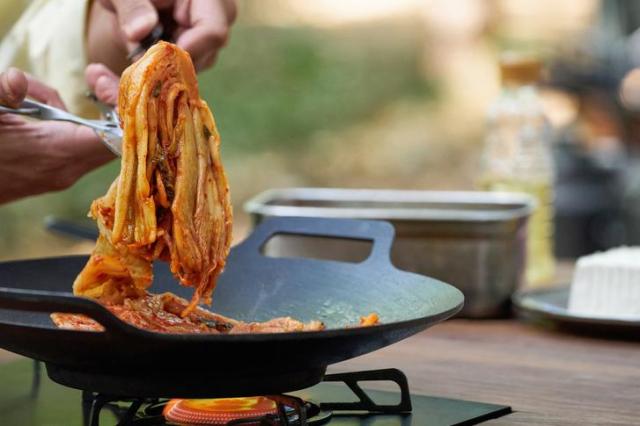
 Salt remains the single largest source of sodium intake, accounting for 15.6 percent of the daily total. Close behind are foods deeply embedded in Korean identity: napa cabbage kimchi and soy sauce. Together, these staples quietly push sodium consumption well beyond recommended levels — not through excess, but through routine.
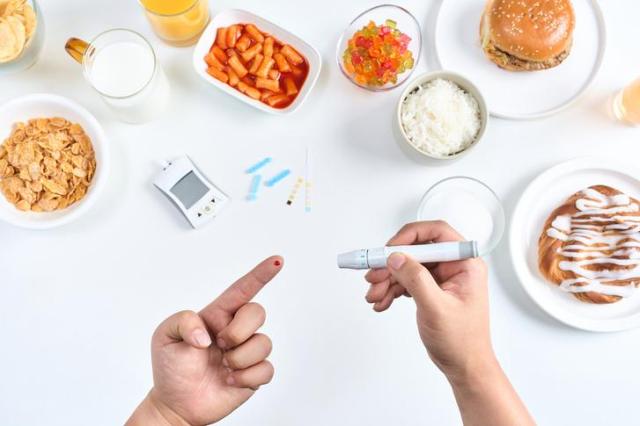
The result is visible in the data. Hyperlipidemia — elevated blood lipid levels tied to diet and inactivity — affected 23.6 percent of adults in 2024, roughly one in four. Diabetes cases have risen even faster: from just over 2 million in 2014 to more than 3.6 million in 2024, a jump of 73 percent.
Among people in their 20s and 30s, the increase was sharper still, nearly 80 percent over the decade — a demographic long assumed to be protected by youth and metabolism.
It is not that Korea is neglecting the problem. Cholesterol-lowering drugs are effective: among patients receiving treatment, 86 percent manage to keep cholesterol under control. The problem is that only about half of those who need medication actually take it.
Diabetes reveals an even wider gap. While six in ten patients receive treatment, only one in four successfully keeps blood sugar within the recommended range. Medication alone, doctors say, cannot compensate for daily habits.
 [Getty Images Bank]
 “Diabetes is a disease where early management dramatically reduces complications,” said Bae Hong-won, director of the Gangwon Health Examination Center. “But people in their 20s and 30s tend to neglect it, assuming they’re still young. Once it develops, it requires lifelong care.”
Experts stress that prevention does not require radical dieting or expensive interventions. Sometimes, it’s about sequence.
 [Getty Images Bank]
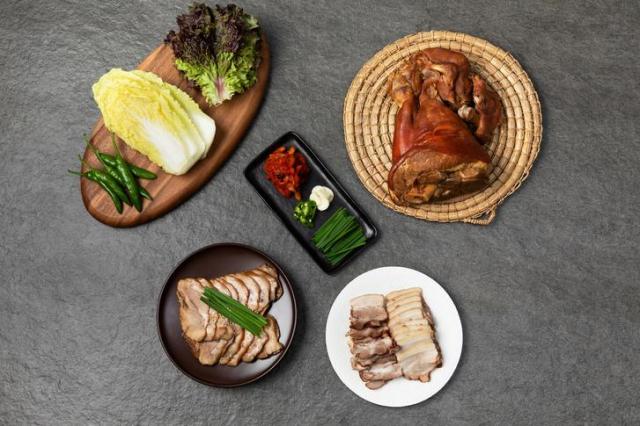
 Professor Cho Young-min of Seoul National University Hospital points to a simple adjustment: eat vegetables first, followed by protein and fat, and leave carbohydrates for last. This order slows glucose absorption and reduces blood sugar spikes — no prescription required.
 [Getty Images Bank]
 Movement matters just as much. A 15-minute walk after meals, even at a leisurely pace, helps muscles absorb glucose more efficiently, lowering post-meal blood sugar levels.
Dietary patterns, however, remain stubborn. Analysis of national nutrition data published in Nutrition Research and Practice found that rice-centered diets were linked to higher triglycerides in men and lower “good” HDL cholesterol in both sexes, reinforcing the connection between carbohydrate-heavy meals and metabolic disease.
 [Getty Images Bank]
 Recognizing the risk, the KDCA has begun distributing tailored educational materials at workplaces, particularly targeting people in their 30s and 40s — the most economically active group, yet one with relatively low awareness of cardiovascular disease.
“To prevent and manage chronic conditions, regular checks of blood pressure, blood sugar and cholesterol are essential,” said KDCA Commissioner Jeong Eun-kyeong. “But just as important is practicing healthy lifestyle habits every day.”
The illnesses reshaping Korean health are not born in laboratories or genetics. They are born at the table — one familiar meal at a time.
Ryu Yuna Reporter Julia37@ajupress.com
![[포토] 폭설에 밤 늦게까지 도로 마비](https://image.ajunews.com/content/image/2025/12/05/20251205000920610800.jpg)

![[포토] 알리익스프레스, 광군제 앞두고 팝업스토어 오픈](https://cphoto.asiae.co.kr/listimg_link.php?idx=2&no=2025110714160199219_1762492560.jpg)
![[포토] 국회 예결위 참석하는 김민석 총리](https://cphoto.asiae.co.kr/listimg_link.php?idx=2&no=2025110710410898931_1762479667.jpg)
![[포토] 예지원, 전통과 현대가 공존한 화보 공개](https://image.ajunews.com/content/image/2025/10/09/20251009182431778689.jpg)

![[포토]두산 안재석, 관중석 들썩이게 한 끝내기 2루타](https://file.sportsseoul.com/news/cms/2025/08/28/news-p.v1.20250828.1a1c4d0be7434f6b80434dced03368c0_P1.jpg)

![[작아진 호랑이③] 9위 추락 시 KBO 최초…승리의 여신 떠난 자리, KIA를 덮친 '우승 징크스'](http://www.sportsworldi.com/content/image/2025/09/04/20250904518238.jpg)
![블랙핑크 제니, 최강매력! [포토]](https://file.sportsseoul.com/news/cms/2025/09/05/news-p.v1.20250905.ed1b2684d2d64e359332640e38dac841_P1.jpg)
![블랙핑크 제니, 매력이 넘쳐! [포토]](https://file.sportsseoul.com/news/cms/2025/09/05/news-p.v1.20250905.c5a971a36b494f9fb24aea8cccf6816f_P1.jpg)
![[포토]첫 타석부터 안타 치는 LG 문성주](https://file.sportsseoul.com/news/cms/2025/09/02/news-p.v1.20250902.8962276ed11c468c90062ee85072fa38_P1.jpg)
![[포토] 아홉 '신나는 컴백 무대'](http://www.segye.com/content/image/2025/11/04/20251104514134.jpg)
![[포토] 박지현 '아름다운 미모'](http://www.segye.com/content/image/2025/11/19/20251119519369.jpg)
![[포토] 김고은 '단발 여신'](http://www.segye.com/content/image/2025/09/05/20250905507236.jpg)

![[포토] 박지현 '순백의 여신'](http://www.segye.com/content/image/2025/09/05/20250905507414.jpg)
![[포토] 키스오브라이프 하늘 '완벽한 미모'](http://www.segye.com/content/image/2025/09/05/20250905504457.jpg)
![[포토] '삼양1963 런칭 쇼케이스'](https://image.ajunews.com/content/image/2025/11/03/20251103114008977281.jpg)
![[포토] 발표하는 김정수 삼양식품 부회장](https://image.ajunews.com/content/image/2025/11/03/20251103114206916880.jpg)
![[포토] 언론 현업단체, "시민피해구제 확대 찬성, 권력감시 약화 반대"](https://image.ajunews.com/content/image/2025/09/05/20250905123135571578.jpg)
![[포토] 한샘, '플래그십 부산센텀' 리뉴얼 오픈](https://image.ajunews.com/content/image/2025/10/31/20251031142544910604.jpg)

![[포토]끝내기 안타의 기쁨을 만끽하는 두산 안재석](https://file.sportsseoul.com/news/cms/2025/08/28/news-p.v1.20250828.0df70b9fa54d4610990f1b34c08c6a63_P1.jpg)
![[포토] 김고은 '상연 생각에 눈물이 흘러'](http://www.segye.com/content/image/2025/09/05/20250905507613.jpg)
![[포토] 아이들 소연 '매력적인 눈빛'](http://www.segye.com/content/image/2025/09/12/20250912508492.jpg)
![[포토]두산 안재석, 연장 승부를 끝내는 2루타](https://file.sportsseoul.com/news/cms/2025/08/28/news-p.v1.20250828.b12bc405ed464d9db2c3d324c2491a1d_P1.jpg)
![[포토] 키스오브라이프 쥴리 '단발 여신'](http://www.segye.com/content/image/2025/09/05/20250905504358.jpg)